
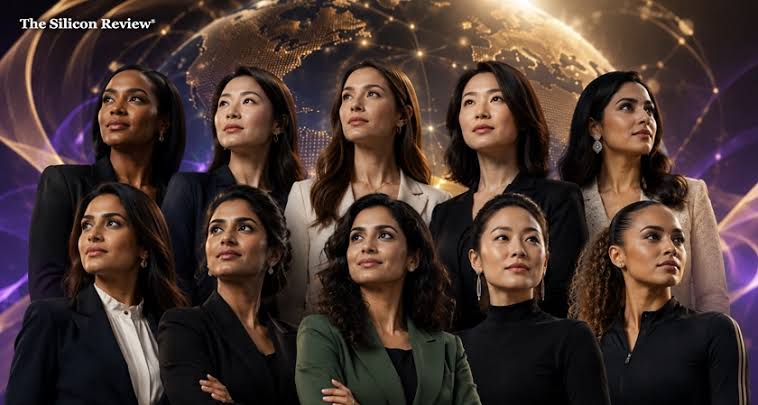
The Rise of Women in Leadership Signals a New Era for Global Business
The global business landscape is experiencing a powerful shift as women continue to take on leadership roles across industries. From multinational corporations and fast-growing startups to nonprofit organizations and social enterprises, women leaders are influencing strategic decisions, driving innovation, and building organizations prepared for the future.
Over the last decade, businesses have increasingly recognized that leadership thrives on diversity. Companies with inclusive executive teams often demonstrate stronger collaboration, better problem-solving capabilities, and improved long-term performance. As a result, organizations are placing greater emphasis on creating workplaces where talent and capability determine leadership opportunities.
One of the most significant drivers of this transformation has been the rapid adoption of digital technologies. The growth of cloud computing, artificial intelligence, automation, and digital communication has created new opportunities for leaders to build agile businesses capable of responding to changing market demands. Women executives are successfully leading these transformations by combining strategic thinking with a people-first leadership approach.
Another defining trend is the rise of purpose-driven organizations. Today’s leaders understand that business success extends beyond financial performance. Customers, employees, and investors increasingly expect companies to demonstrate responsibility toward society, sustainability, and ethical governance. Women leaders have been at the forefront of building businesses that balance commercial growth with meaningful social impact.
Leadership development programs are also expanding across educational institutions and corporate organizations. Professional training, executive coaching, networking events, and mentorship initiatives are helping aspiring women leaders strengthen their skills in finance, operations, negotiation, and strategic decision-making. These opportunities are creating a stronger pipeline of future executives prepared to lead in an increasingly competitive world.
Industry experts also point to emotional intelligence as one of the defining qualities of modern leadership. Effective communication, adaptability, empathy, and resilience have become essential characteristics for managing diverse teams and navigating uncertain economic conditions. Many successful women leaders have demonstrated how these qualities contribute to stronger organizational culture and long-term business success.
Entrepreneurship continues to play a major role in this evolving landscape. Women founders are launching innovative ventures across technology, healthcare, education, sustainability, retail, and financial services. Their businesses are creating employment opportunities, supporting local economies, and introducing solutions that improve everyday lives.
While progress has been significant, experts acknowledge that challenges remain. Equal access to funding, greater representation in boardrooms, and expanded leadership opportunities continue to be important priorities for businesses and policymakers worldwide. Organizations that actively invest in diversity and inclusion are expected to remain more competitive in attracting both talent and investment.
Business analysts believe the coming years will witness an even greater increase in women occupying executive leadership positions. As organizations embrace innovation, collaboration, and inclusive decision-making, women leaders will continue to shape industries with fresh perspectives and transformative ideas.
The future of business belongs to leaders who inspire trust, encourage innovation, and build organizations capable of adapting to constant change. Women across the world are demonstrating these qualities every day, proving that leadership is defined not by gender, but by vision, determination, and the ability to create lasting impact.
Key Highlights
- Women leaders are driving innovation across global industries.
- Inclusive leadership is improving business performance and workplace culture.
- Technology is creating new opportunities for women entrepreneurs and executives.
- Purpose-driven leadership is becoming a defining factor in business success.
- The future of global business is increasingly shaped by diverse and inclusive leadership.