
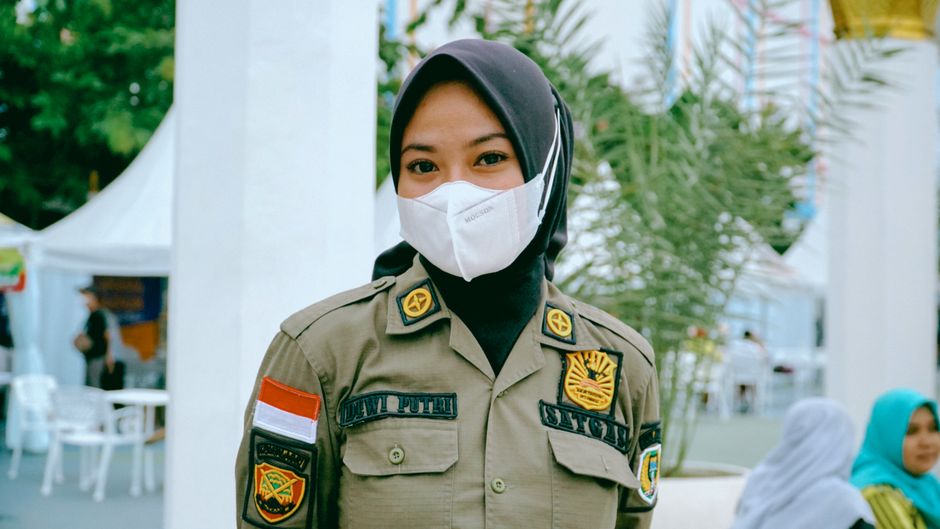
Preparedness from Women’s Perspective – How Are Women Included in the Total Defence Year 2026
Understanding Total Defence and Its Gender Dimension
Total defence is a comprehensive approach that integrates military, civil, economic, psychological, and social capacities to safeguard a nation against a wide range of threats. While the concept has traditionally been framed around state security and military readiness, recent debates emphasize the importance of incorporating gender perspectives to create a more resilient society.
Why Women’s Inclusion Matters
Women represent roughly half of any population, and their experiences, skills, and networks differ in significant ways from those of men. In crises—whether natural disasters, pandemics, or security emergencies—women often assume key responsibilities such as caregiving, community coordination, and resource distribution. Ignoring these roles can lead to gaps in preparedness, response, and recovery.
Key Areas of Inclusion in the Total Defence Year 2026
- Policy Frameworks: National strategies now explicitly reference gender mainstreaming, mandating that all defence and emergency plans undergo gender impact assessments.
- Training and Education: Military academies and civil protection agencies have introduced modules on gender-sensitive communication, conflict resolution, and the specific vulnerabilities women face during crises.
- Leadership Representation: Women are being appointed to senior positions within defence ministries, civil defence agencies, and emergency management committees, ensuring their voices influence decision‑making.
- Community Engagement: Grassroots organizations led by women are being integrated into national preparedness drills, providing local knowledge and fostering trust between authorities and citizens.
- Resource Allocation: Budgets now allocate funds for gender‑responsive equipment, such as personal protective gear designed for diverse body types, and for support services like childcare during emergencies.
Challenges Still Faced
Despite progress, several obstacles impede full gender integration:
- Institutional Resistance: Some traditional defence structures view gender considerations as peripheral rather than central to security.
- Data Gaps: Limited gender‑disaggregated data hampers the ability to design targeted interventions.
- Cultural Norms: In certain regions, societal expectations restrict women’s participation in public decision‑making bodies.
- Resource Constraints: Funding for gender‑specific initiatives competes with broader defence priorities.
Case Study: Community‑Based Preparedness in Coastal Regions
In coastal municipalities vulnerable to rising sea levels, women’s associations have taken the lead in mapping flood‑prone zones and establishing early‑warning networks. By collaborating with naval reserves, these groups have co‑developed evacuation routes that consider the safety of families with young children and the elderly. The initiative demonstrates how women’s local knowledge can be operationalized within a total defence framework.
Recommendations for Strengthening Women’s Role
- Institutionalize gender impact assessments for all defence and emergency policies, ensuring they are revisited regularly.
- Expand mentorship programs that connect senior female defence officers with emerging women leaders in civil protection.
- Invest in comprehensive data collection systems that capture gender‑specific vulnerabilities and capacities.
- Promote public awareness campaigns that challenge stereotypes and highlight the strategic value of women’s participation.
- Allocate dedicated funding streams for gender‑responsive infrastructure, such as shelters equipped with facilities for women and children.
Looking Ahead to Total Defence Year 2026
The upcoming Total Defence Year offers a unique platform to showcase how gender‑inclusive strategies enhance overall societal resilience. By embedding women’s perspectives across policy, training, leadership, and community action, nations can build defence systems that are not only stronger but also more equitable. The success of these efforts will depend on sustained political commitment, continuous learning, and the active involvement of women at every level of the defence ecosystem.