
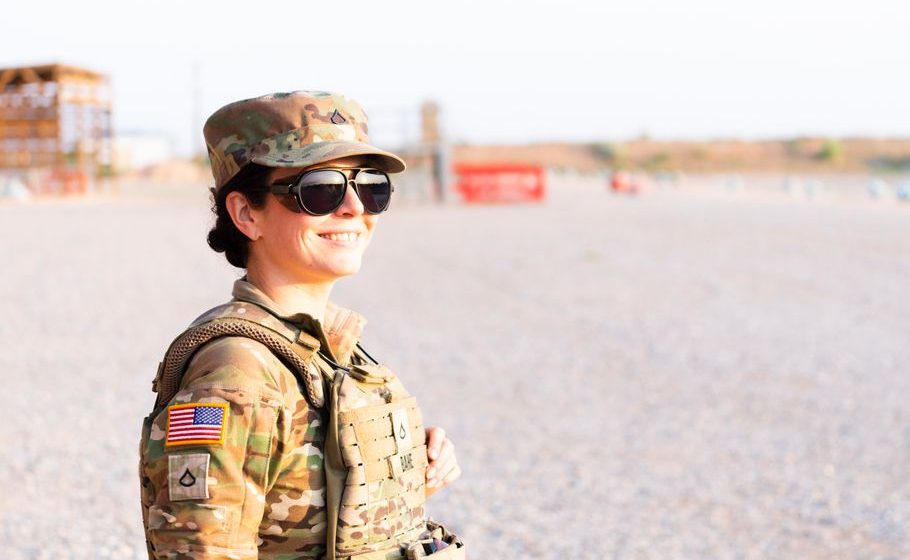
Breaking Barriers: The Rise of Concord’s Highest‑Ranking Female Officer
Breaking Barriers: The Rise of Concord’s Highest‑Ranking Female Officer
When Concord’s highest‑ranking female officer stepped into the chief’s office last month, the moment was more than a personal milestone—it was a tangible sign of progress for a department that has traditionally been male‑dominated. Her appointment signals a shift in culture, recruitment, and community trust, and it offers a powerful example for aspiring women in law enforcement across the nation.
The significance of the Concord female officer’s promotion
Concord’s police department, serving a city of roughly 125,000 residents, has historically reflected the broader gender imbalance seen in many U.S. law‑enforcement agencies. While women have comprised about 12 % of sworn officers nationally, Concord’s senior ranks have long been an exception to that trend. The elevation of a female officer to the highest rank therefore carries symbolic weight beyond the badge.
First, it demonstrates that merit‑based advancement is possible even in environments where women have faced structural obstacles. Second, it provides a visible role model for younger officers who may have previously questioned whether a long‑term career in policing could accommodate their ambitions. Finally, it offers the community a glimpse of a leadership style that often emphasizes collaboration, de‑escalation, and community‑oriented policing—principles that have gained traction in recent reform discussions.
Historical context: Women in law enforcement
Women entered policing in the United States in the early 20th century, typically in roles focused on juvenile and domestic issues. It wasn’t until the 1970s that women began to break into patrol duties, and even then, they were frequently relegated to support positions. The 1990s saw a modest rise in female representation, but senior leadership remained elusive.
According to the most recent national surveys, women now make up roughly one‑quarter of all police officers, yet they hold less than 10 % of command positions. Barriers such as limited mentorship, work‑life balance challenges, and cultural stereotypes continue to impede advancement. In this landscape, the ascent of Concord’s highest‑ranking female officer is a noteworthy counter‑example that underscores the impact of intentional policy changes and supportive leadership.
Policy shifts that paved the way
Over the past decade, the Concord Police Department has implemented several initiatives aimed at fostering diversity and inclusion. These include:
- Targeted recruitment drives at local colleges and community organizations that highlight career pathways for women.
- Mentorship programs pairing junior female officers with senior staff to provide guidance on career development.
- Flexible scheduling options and parental‑leave policies designed to retain talent during key life stages.
- Bias‑training workshops for all ranks to address unconscious attitudes that may affect promotion decisions.
While none of these measures alone guarantee a breakthrough, together they create an environment where talent can be recognized regardless of gender. The officer’s rise is a testament to the cumulative effect of these reforms.
Leadership style and community impact
Observers note that the officer brings a collaborative approach to problem‑solving, emphasizing dialogue with neighborhood groups and transparent communication. Under her guidance, the department has piloted several community‑policing initiatives, such as neighborhood watch partnerships and youth mentorship programs, which have contributed to a modest decline in property crimes over the past year.
Her presence also appears to have a morale‑boosting effect within the force. Female officers report feeling more supported, and male colleagues have expressed appreciation for the broadened perspective she brings to strategic planning. These internal shifts often translate into better service outcomes, as a department that values diverse viewpoints is more adaptable to the complex challenges of modern policing.
Inspiring the next generation
Beyond the precinct walls, the officer’s story resonates with high school students, college majors, and community activists who view law enforcement as a viable career for women. She regularly speaks at local schools, sharing personal anecdotes about overcoming doubt and navigating a traditionally male‑centric career path. Such outreach demystifies the profession and encourages young women to consider roles they might have previously dismissed.
Mentorship remains a cornerstone of her outreach. By pairing interested students with department mentors, she helps bridge the gap between curiosity and concrete career steps. These programs also serve as a recruitment pipeline, ensuring that the department continues to attract talent that reflects the community’s diversity.
Challenges that remain
Despite the breakthrough, systemic challenges persist. Retention of female officers remains a concern, as many leave the force after a few years due to limited advancement opportunities or work‑life conflicts. Additionally, incidents of gender‑based harassment, though decreasing, still surface and require ongoing cultural change.
Addressing these issues will demand sustained effort. Continued investment in mentorship, transparent promotion criteria, and a zero‑tolerance stance on harassment are essential to maintain momentum. The officer’s leadership offers a blueprint, but institutional commitment must extend beyond a single individual.
Looking ahead: A roadmap for other departments
Concord’s experience provides several lessons for municipalities seeking to replicate this success:
- Set measurable diversity goals. Clear targets for recruitment and promotion keep progress accountable.
- Invest in mentorship. Structured pairing programs accelerate skill development and confidence.
- Adopt flexible work policies. Accommodating family responsibilities reduces attrition among women.
- Promote inclusive leadership. Elevating leaders who champion collaboration fosters a culture where all voices are heard.
When these elements align, the pathway for women to ascend to senior ranks becomes clearer, and the benefits ripple throughout the agency and the community it serves.
Conclusion
The rise of Concord’s highest‑ranking female officer illustrates how deliberate policy, supportive mentorship, and inclusive leadership can break longstanding barriers. Her story is not only a milestone for the city but also a beacon for law‑enforcement agencies nationwide seeking to diversify their ranks and improve community relations. As more departments adopt similar strategies, the hope is that future generations will view the badge as equally accessible to anyone with the dedication and skill to serve.