
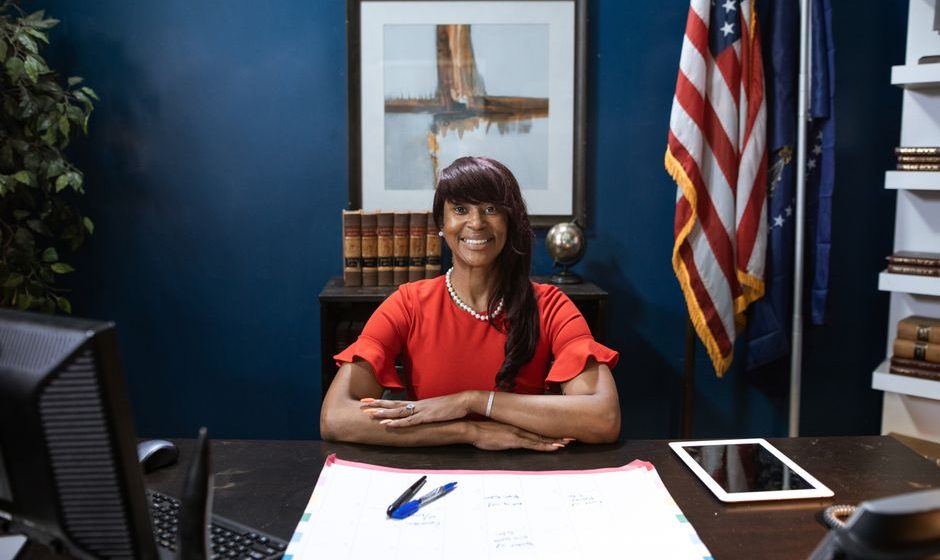
Robben Island Museum Names Its First Female Executive Manager in More Than Two Decades
Robben Island Museum Names Its First Female Executive Manager in More Than Two Decades
Robben Island Museum has appointed its first female executive manager in 24 years, marking a notable leadership change at one of South Africa’s most visited heritage institutions. The appointment ends a long stretch during which every executive-level position at the museum was held by men, and it places a woman at the head of operations on an island synonymous with the country’s struggle history and post-apartheid memory.
Robben Island Museum: A Leadership Shift at a National Heritage Site
Robben Island, the small landmass off the coast of Cape Town where Nelson Mandela and many other political prisoners were held during apartheid, was declared a UNESCO World Heritage Site in 1999. The Robben Island Museum, established to preserve that legacy, oversees the former prison complex, the island’s wider environment, and a steady flow of visitors from across South Africa and abroad. The museum has long been both a custodian of memory and a working tourist attraction, which means its executive managers are responsible for heritage preservation, day-to-day operations, and the financial pressures of running a remote site.
The decision to name a new executive manager comes after a 24-year gap since the last woman held such a role. For an institution of this stature, a quarter-century without a female executive leader is itself a fact worth pausing on. Heritage bodies across the world have faced growing pressure to reflect the diversity of the histories they tell, and South African institutions in particular have been called on to ensure their leadership mirrors the demographics of the country. The new appointment is therefore being read as more than a routine personnel change.
Why This Appointment Matters for South African Heritage
The Robben Island Museum is not a typical museum. It is a working memorial, a former maximum-security prison, and a fragile ecological zone, all at once. Decisions made by its executive leadership shape how millions of visitors each year engage with one of the most painful and important chapters in South African history. That gives the gender of who leads the institution real symbolic weight, especially at a moment when debates about transformation, representation, and inclusive storytelling dominate the cultural sector.
For the museum’s broader workforce, the move is also significant. Heritage institutions in South Africa have historically struggled with transformation at the management level, even when lower-level staffing reflects the country’s demographics more closely. Putting a woman into an executive seat at Robben Island is a visible signal that the museum’s leadership is willing to challenge the pattern that produced a 24-year gap.
The Operating Reality Behind the Headline
Behind any executive appointment at Robben Island is a difficult operational balancing act. The museum depends on a combination of government funding, ticket revenue, and donor support, and it must ferry visitors, staff, and supplies across rough sea conditions to a remote location with limited infrastructure. The executive manager oversees conservation work on aging prison buildings, manages relationships with former political prisoners who return as guides, and coordinates with national and provincial heritage authorities.
That mix of responsibilities is part of why leadership stability matters. A new executive manager at Robben Island does not just inherit an office; they inherit a long list of competing priorities, including structural repairs, audience development, educational programming, and the ongoing task of keeping the museum financially sustainable. Visitors to the island arrive expecting a deeply personal encounter with South Africa’s past, and the executive team is responsible for ensuring that experience remains credible and well-managed even as funding pressures mount.
Heritage Tourism and the Road Ahead
Robben Island remains one of South Africa’s most recognizable heritage tourism destinations, drawing both domestic school groups and international travelers. The museum’s leadership decisions directly affect how the site is marketed, how tour guides are trained, and how the former prison is interpreted for new generations of visitors who did not live through apartheid. That interpretive work is delicate: it must honor the suffering of those who were imprisoned there while also giving younger audiences a reason to engage with a history that can otherwise feel remote.
Looking ahead, the new executive manager will be judged on familiar museum-industry metrics: visitor numbers, financial sustainability, conservation outcomes, and the quality of the educational experience. But this appointment will also be watched through a wider lens. After a 24-year stretch without a female executive manager, the institution’s choices in the months and years ahead will show whether this was a one-off change or the start of a more sustained shift in how it is led.
What to Watch in the Coming Months
- Any public introduction of the new executive manager, including background on her previous work in heritage, tourism, or public administration.
- Early strategic statements about conservation priorities, partnerships with former political prisoners, and youth engagement on the island.
- Budget and funding signals from national heritage authorities that indicate how much runway the new leadership has.
- Tourism and visitor figures in the period following the appointment, which will hint at whether new programming is taking shape.
Conclusion
The appointment of it’s first female executive manager in 24 years is a small personnel decision on paper and a much larger cultural signal in practice. At a site that carries the weight of South Africa’s struggle history, who sits in the executive chair shapes how that story is told and who feels ownership of it. For visitors, staff, and the heritage sector more broadly, the next phase will reveal whether this leadership change is the opening move in a longer transformation at it or a moment that fades once the headlines move on.