
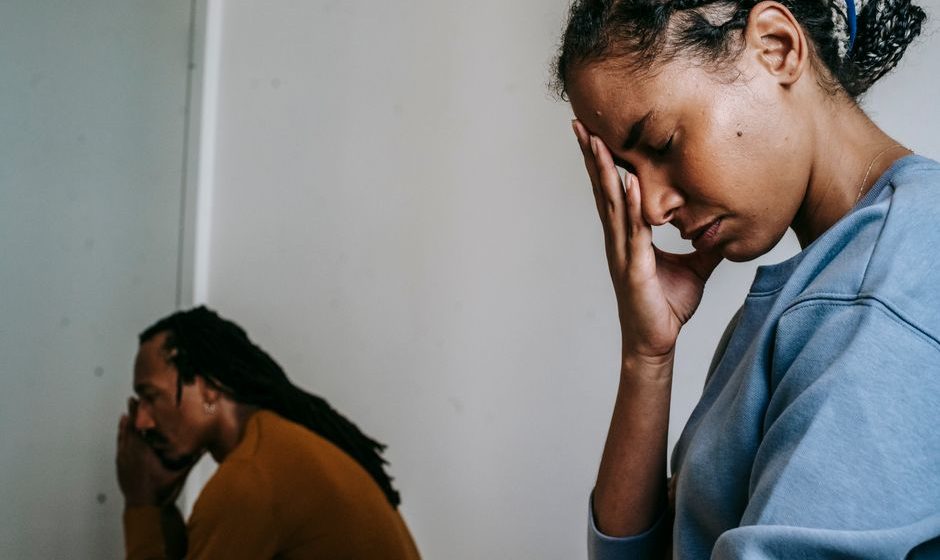
Do men and women experience pain differently?
Introduction
When we talk about pain, we often think of it as a universal sensation—something that hurts, regardless of who feels it. Yet an increasing body of scientific evidence suggests that men and women may experience, interpret, and respond to pain in distinct ways. Understanding these differences is not just an academic exercise; it has real‑world implications for diagnosis, treatment, and the overall quality of care provided to patients of all genders.
Biological Foundations of Pain Perception
At the most basic level, pain is a complex neurobiological process involving the peripheral nervous system, spinal cord, and brain. Hormonal and genetic factors can modulate each of these stages, creating subtle yet measurable differences between the sexes.
- Hormonal influences: Estrogen and progesterone, which fluctuate throughout the menstrual cycle, can amplify the sensitivity of pain‑receiving neurons. Conversely, testosterone has been shown in some studies to exert an analgesic effect, potentially raising pain thresholds in many men.
- Genetic variation: Certain gene variants linked to opioid receptors and inflammatory pathways appear more frequently in women, influencing both the intensity of pain and the effectiveness of analgesic medications.
- Neuroanatomical differences: Imaging research indicates that women often show greater activation in brain regions associated with affective aspects of pain, such as the anterior cingulate cortex and insula, while men may exhibit stronger activation in regions tied to the sensory-discriminative component, like the somatosensory cortex.
These biological nuances do not operate in isolation; they interact with psychological and sociocultural factors to shape the overall pain experience.
Psychological and Social Dimensions
Culture and upbringing play a significant role in how individuals express and manage pain. Traditional gender norms can encourage men to downplay discomfort and women to be more expressive about it. These expectations may influence reporting patterns, willingness to seek medical help, and adherence to treatment plans.
- Pain reporting: Studies consistently find that women are more likely to report pain and to rate it as more severe than men, even when objective measures of tissue damage are comparable.
- Coping strategies: Men often employ problem‑focused coping, such as distraction or physical activity, whereas women may rely more on emotion‑focused coping, including seeking social support.
- Stigma and expectations: The “stoic” ideal for males can lead to delayed medical consultation, potentially worsening underlying conditions. For females, concerns about being labeled as overly emotional can affect how they communicate pain to clinicians.
Key Findings from Recent Research
Multiple clinical and experimental studies have highlighted sex‑specific patterns in pain perception:
- In experimental heat‑pain tests, women typically report lower pain thresholds and higher pain ratings than men.
- Chronic pain conditions such as fibromyalgia, migraines, and temporomandibular joint disorder are diagnosed more frequently in women, suggesting both biological susceptibility and diagnostic bias.
- Analgesic response differs: opioids tend to provide greater relief for men, while non‑opioid medications like certain NSAIDs may be more effective for women.
- Placebo effects appear stronger in women, indicating that expectancy and context can modulate pain perception to a greater extent.
It is crucial to interpret these findings with nuance. Not every individual conforms to the average trends, and factors such as age, ethnicity, and comorbidities intersect with gender to shape pain experiences.
Implications for Clinical Practice
Recognizing gender‑related differences can improve patient outcomes in several ways:
- Personalized assessment: Clinicians should ask detailed, gender‑sensitive questions that explore both sensory intensity and emotional impact of pain.
- Tailored treatment plans: Selecting analgesics based on known sex‑differences in drug metabolism and efficacy can reduce trial‑and‑error prescribing.
- Education and communication: Addressing gender stereotypes with patients encourages honest reporting and adherence to therapy.
- Research design: Future clinical trials must stratify participants by sex and analyze data accordingly, ensuring that findings are applicable to both men and women.
Future Directions and Emerging Questions
While the evidence base is expanding, many questions remain:
- How do non‑binary and transgender individuals experience pain, and what role do hormone therapies play?
- Can precision medicine approaches integrate genetic profiling to predict individual pain trajectories?
- What are the long‑term effects of societal shifts that challenge traditional gender roles on pain reporting and management?
Addressing these gaps will require interdisciplinary collaboration among neuroscientists, psychologists, sociologists, and clinicians.
Conclusion
In summary, men and women do not experience pain in exactly the same way. Hormonal milieu, genetic makeup, brain activation patterns, and sociocultural expectations all intertwine to produce distinct pain profiles. By acknowledging and integrating these differences into research, education, and clinical practice, healthcare providers can move toward more equitable, effective pain management for everyone, regardless of gender.