
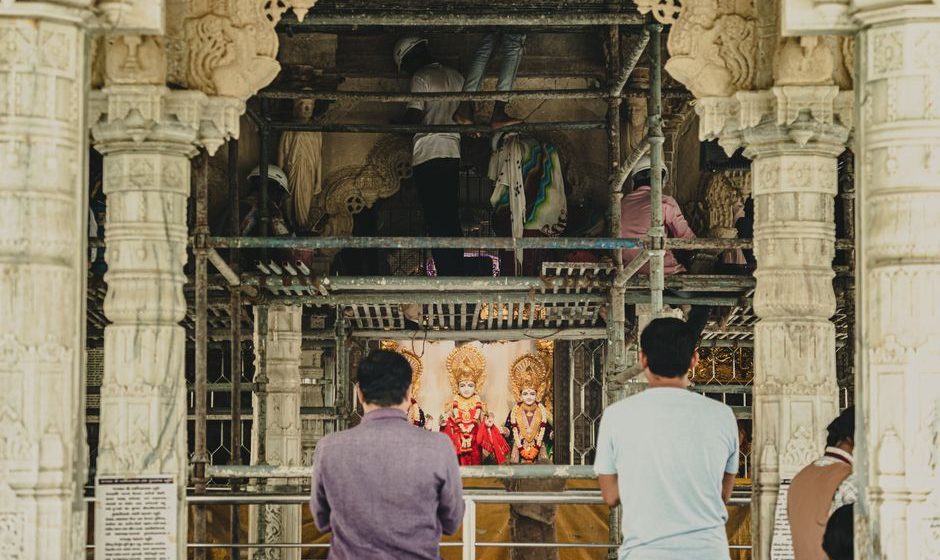
Ram Temple Trust Open to Selecting a Woman CEO, New Appointment Expected Within 30 Days
The Shri Ram Janmabhoomi Teerth Kshetra, the statutory body overseeing the construction of the Ram Temple in Ayodhya, has announced a landmark decision: it is actively considering a female chief executive officer (CEO) to lead its operations. The trust has set an ambitious timeline, aiming to finalize its choice within the next thirty days. This move marks a significant step toward gender inclusivity in a sphere traditionally dominated by men, especially within the realm of large-scale religious and cultural projects in India.
Background: The Trust and Its Mandate
Established in early 2020 after a historic Supreme Court verdict, the Ram Temple trust was charged with the monumental task of constructing a temple on the site believed to be the birthplace of Lord Rama. The trust’s responsibilities span land acquisition, architectural planning, fundraising, and coordination with multiple governmental agencies. Over the past few years, it has successfully cleared legal hurdles, secured substantial donations, and laid the groundwork for the temple’s structural design.
Why a Woman CEO?
Choosing a woman to head the trust reflects a broader shift in Indian society toward recognizing the capabilities of women in leadership roles. Advocates argue that a female CEO can bring fresh perspectives on project management, community engagement, and transparency. In particular, women leaders are often praised for their collaborative style, attention to detail, and ability to navigate complex stakeholder environments—qualities that are essential for a project of this scale.
Moreover, the decision resonates with the nation’s ongoing efforts to increase women’s representation in top executive positions across both private and public sectors. By appointing a woman, the Ram Temple trust sends a powerful message that inclusivity and meritocracy are core values of the organization.
Potential Candidates and Selection Process
The trust has reportedly identified a shortlist of candidates with diverse backgrounds. While official names have not been disclosed, the criteria include:
- Proven experience in large infrastructure projects – candidates must have managed multi‑billion‑rupee initiatives, preferably in the construction or heritage sector.
- Strong financial acumen – the ability to oversee fundraising, budget allocation, and audit compliance.
- Community outreach expertise – experience in engaging religious and local communities to foster goodwill.
- Legal and regulatory knowledge – familiarity with the myriad statutes governing religious trusts in India.
The selection process is expected to be transparent, involving a panel of senior trust members, legal advisors, and external experts. Shortlisted candidates will likely undergo multiple rounds of interviews, including scenario‑based assessments to gauge their problem‑solving abilities under pressure.
Implications for the Temple Project
Leadership at the helm of the trust will directly influence the pace and quality of the temple’s construction. A CEO with a strong track record in project delivery could accelerate timelines, ensuring that the temple is inaugurated in accordance with the trust’s projected schedule. Additionally, a focus on sustainable practices and heritage preservation could enhance the temple’s standing as a world‑class monument.
Beyond the construction phase, the CEO will oversee the operational readiness of the temple, including visitor management, security protocols, and the establishment of cultural programs that celebrate Lord Rama’s legacy. Effective leadership will also be critical in managing the massive influx of pilgrims anticipated once the temple opens, balancing spiritual experiences with logistical efficiency.
Broader Social Impact
The appointment of a woman CEO could inspire other religious and cultural institutions to reconsider their leadership pipelines. It may also encourage young women pursuing careers in architecture, civil engineering, and heritage management to envision themselves in senior roles. As the trust’s decision unfolds, it will be closely watched by civil society groups, gender advocacy organizations, and the general public alike.
In conclusion, the Ram Temple trust’s openness to appointing a female chief executive represents a progressive stride toward gender parity in high‑profile projects. With a decision expected within a month, the upcoming appointment promises to shape not only the trajectory of the Ayodhya temple’s construction but also the broader narrative of women’s leadership in India’s cultural and infrastructural domains.